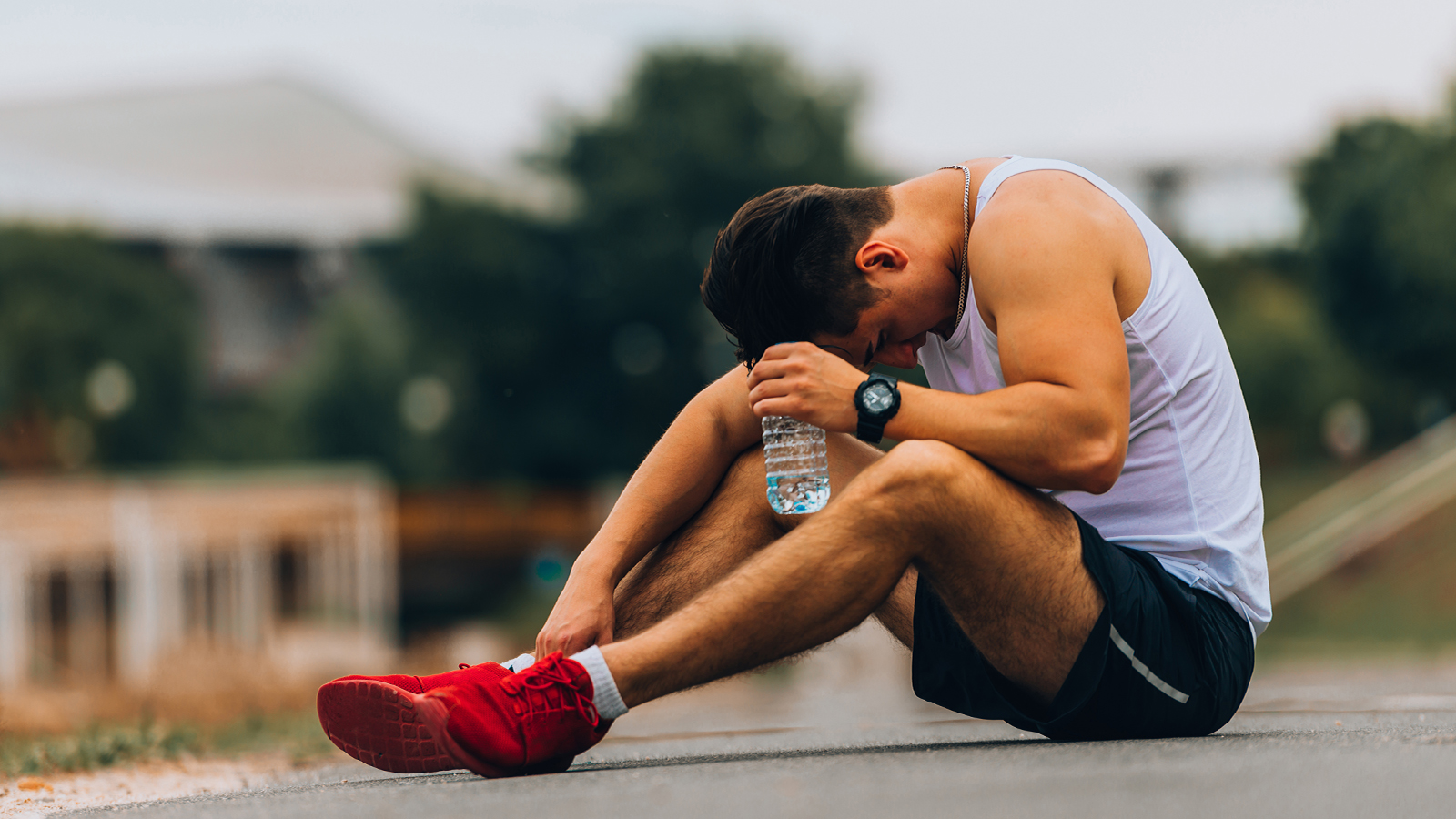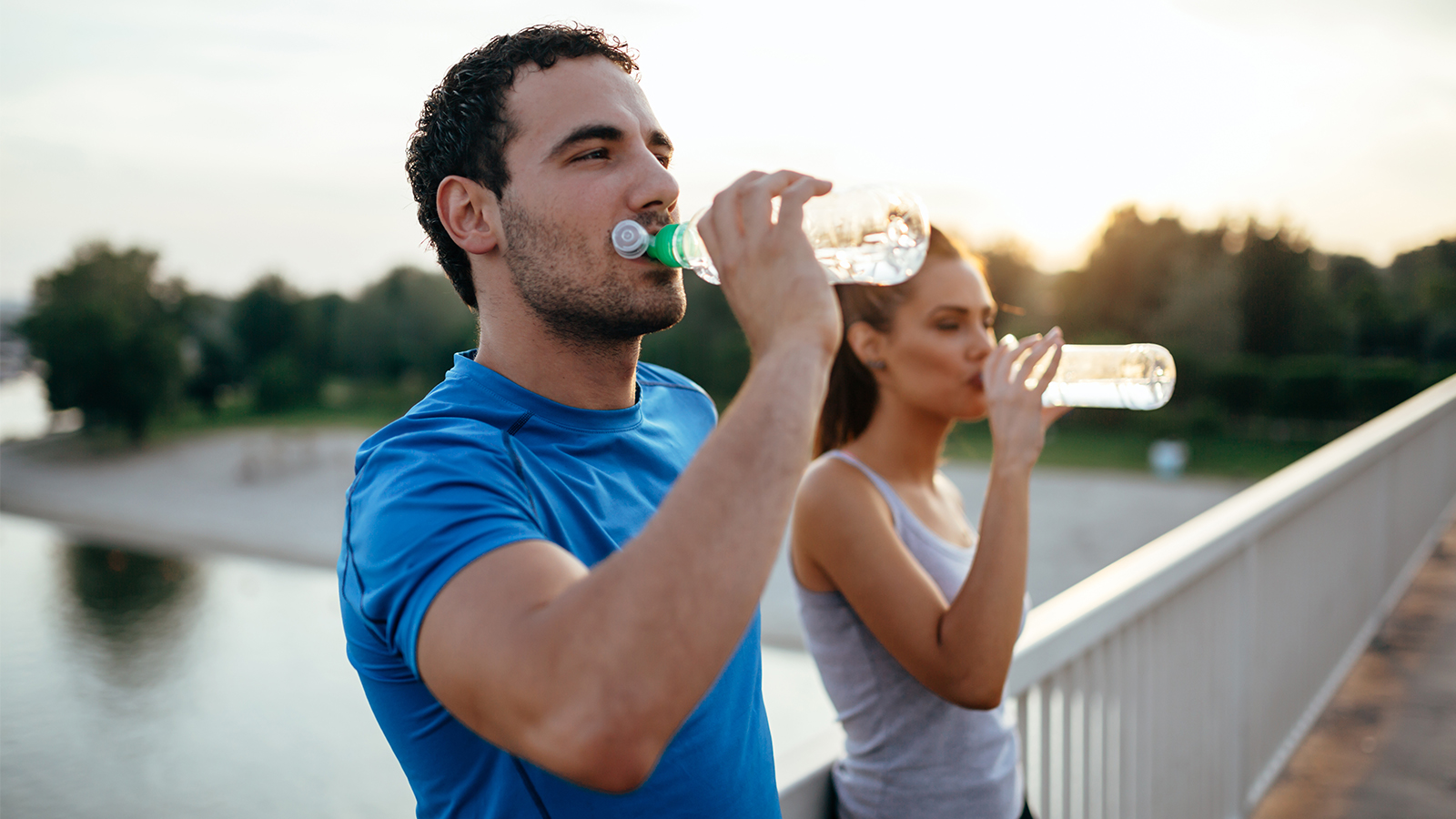

Summer opens up more time and more ways to move - early runs, weekend rides, evening gym sessions. But exercise in the heat isn't the same as training in mild weather, even when the workout looks identical on paper. Higher temperatures, humidity and direct sun change how hard a session feels, how fast your heart rate climbs, and how your body handles the fluids and minerals it depends on.
None of this means you should train less. It means smart summer fitness looks a little different, and understanding what heat does to your body can help you keep hot weather workouts safe and effective.
Your body constantly works to keep its internal temperature within a safe range, and exercise generates heat as a natural byproduct of working muscles. In cooler conditions, that heat escapes easily. In hot weather, the margin shrinks.
To cool itself, your body relies mainly on sweating - as sweat evaporates, it pulls heat away from your skin. At the same time, blood flow shifts toward the skin to help release heat, leaving less blood available for working muscles. That's a main reason your heart rate climbs faster in hot conditions, even at a familiar pace, and why the same session can feel noticeably harder in July than in April.
Humidity makes this worse. Sweat only cools you when it evaporates, and humid air is already close to saturation, so sweat sits on your skin instead of doing its job. That's why a hot, humid day often feels more draining than a hot, dry one at the same temperature.
Did you know? During prolonged exercise in the heat, sweat rates can exceed 2 liters per hour in some athletes - a reminder of how much fluid and sodium a tough summer session can pull from your body.
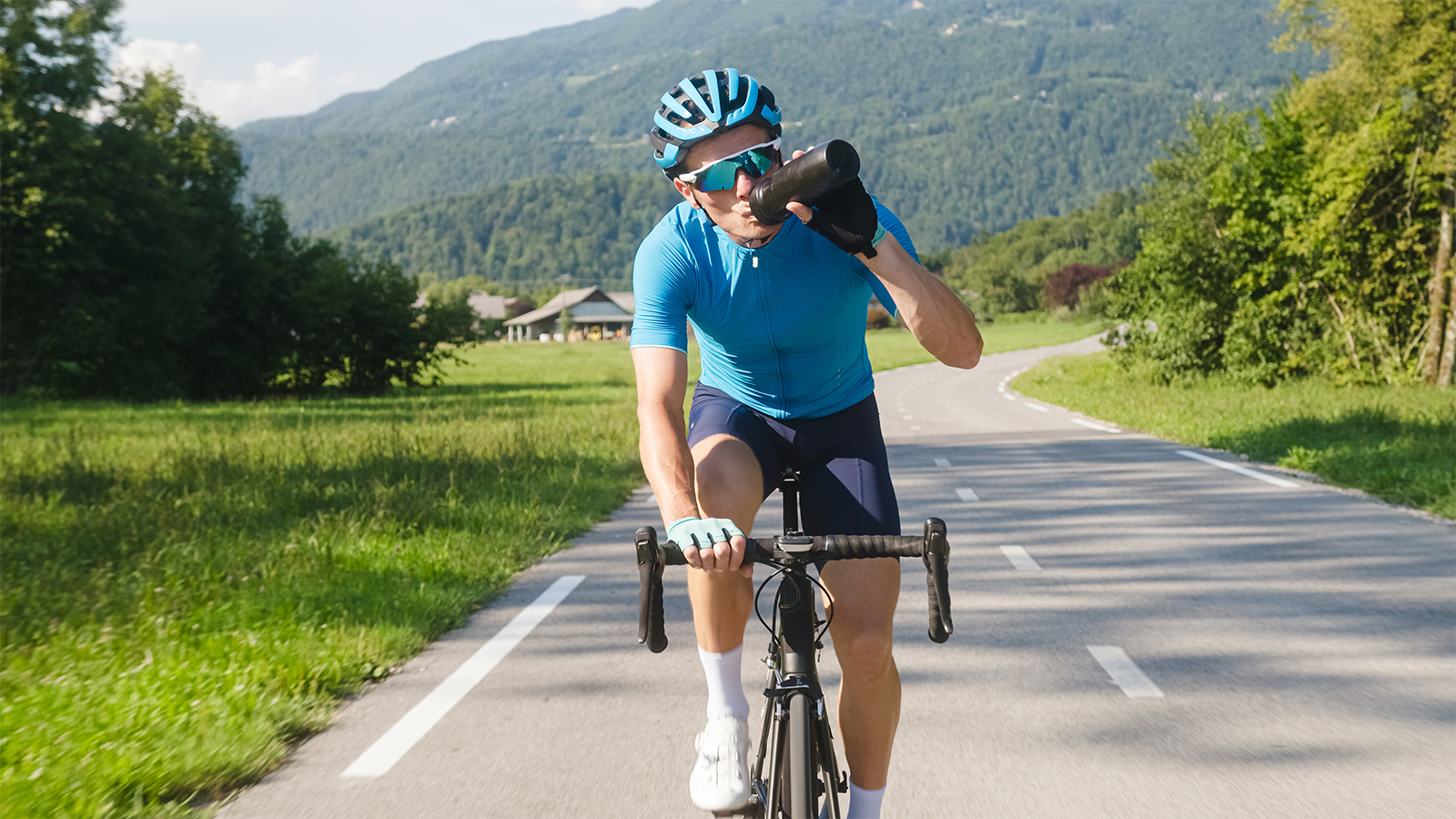
Good hydration doesn't start when you feel thirsty - by the time thirst kicks in, you're often already behind on fluids. A habit of drinking consistently throughout the day, not just around workouts, puts you in a better position before you even start.
How much fluid you need varies by temperature, humidity, duration, intensity, body size, clothing and your personal sweat rate - there's no single number that fits everyone. A short gym session in an air-conditioned space needs a very different approach than a two-hour trail run under midday sun, which calls for real planning: pre-hydrating, carrying fluids, and replacing losses during and after.
More water isn't automatically better, either. Large volumes of plain water over a short period, especially during long or heavy-sweat sessions, can dilute blood sodium and lead to hyponatremia - a real risk for endurance athletes. Dehydration during exercise is the more common problem, and it's the one most summer hydration advice is built around, but the goal is to match intake to what you're actually losing, not to drink as much as possible.
As general, adjustable guidance:
The American College of Sports Medicine's position stand on fluid replacement backs this approach: prehydrate before exercise, drink at regular intervals during activity, and rehydrate afterward based on individual sweat losses rather than a fixed formula.
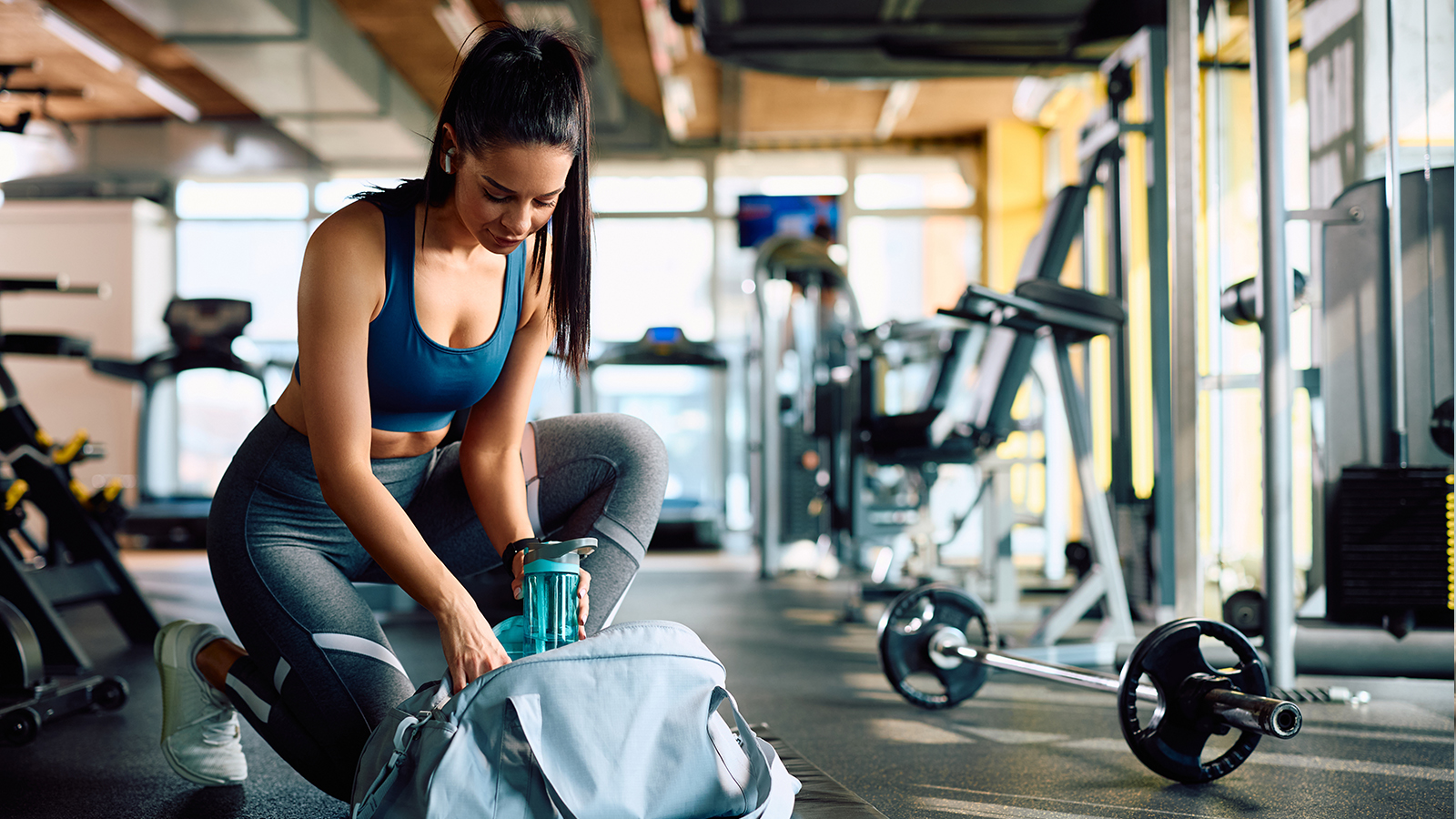
Sweat carries electrolytes as well as water - minerals responsible for muscle contraction, nerve signaling and fluid balance:
Sodium is the headline mineral in sweat loss, which is why most guidance focuses on it first for longer or sweatier sessions. For a short, moderate workout, water alone is usually enough. Electrolyte drinks become more useful for long sessions, heavy sweating, hot and humid conditions, cycling, running, mountain hikes, and back-to-back training days - replacing electrolytes alongside fluids supports hydration status and is often easier to drink consistently than plain water.
This is where a ready-to-drink option like Everbuild HydroLyte fits naturally into a summer routine - a convenient way to carry electrolytes in a gym bag, car, or trail pack without mixing powders, useful whenever sweat losses are significant.
One of the most persistent myths in sports nutrition is that creatine should be paused in hot weather because it causes dehydration or cramping. It isn't well supported by the evidence.
Creatine monohydrate is among the most extensively researched supplements in sports nutrition. The International Society of Sports Nutrition's 2017 position stand describes it, at recommended doses, as safe and well-tolerated across a wide range of populations, and doesn't identify hot-weather training as a reason to stop.
That doesn't make hydration irrelevant, though - creatine draws water into muscle cells as part of how it works, so staying well-hydrated matters just as much in summer as any other time. Creatine isn't a substitute for water, electrolytes, food or recovery; it works alongside those fundamentals. What matters most for results is consistency: taking it regularly, hitting your total daily intake, and following the product's dosing guidance. It's not a stimulant and won't do anything within a single session - its benefits build gradually.
For people who already take creatine but don't want a tub, scoop and shaker every day - especially while travelling or training outdoors - Everbuild Crea Fuel offers a ready-to-drink alternative. The convenience can help with consistency, though it doesn't make the format inherently more effective than a well-mixed powder; both support the same goal.
Training in the heat is also a good reason to rethink a few things on your plate. Water-rich fruit like watermelon, oranges, peaches and berries adds fluid, natural sugars and micronutrients on top of what you drink directly, and meals built around soups, salads or vegetable-heavy plates contribute meaningfully to hydration on hot training days in a way that dense, dry foods don't.
Salt is worth embracing rather than avoiding. Sodium losses through sweat can be considerable during long or intense summer sessions, and a moderate amount of salt in your meals supports fluid retention and electrolyte balance rather than working against it. Carbohydrates still belong in the picture too - heat adds to your overall training load, and glycogen stores need replenishing just as they do the rest of the year, whether that comes from rice, fruit, potatoes or whole grains.
Protein is the piece people tend to let slide in summer, often without realizing it. Warmer weather naturally pulls people toward lighter meals, but muscle repair and recovery still depend on consistent protein intake regardless of the season. In practice, none of this needs to be complicated: a plate with a protein source, some carbohydrates, plenty of vegetables or fruit, and a normal amount of salt covers most of what summer training nutrition asks for.
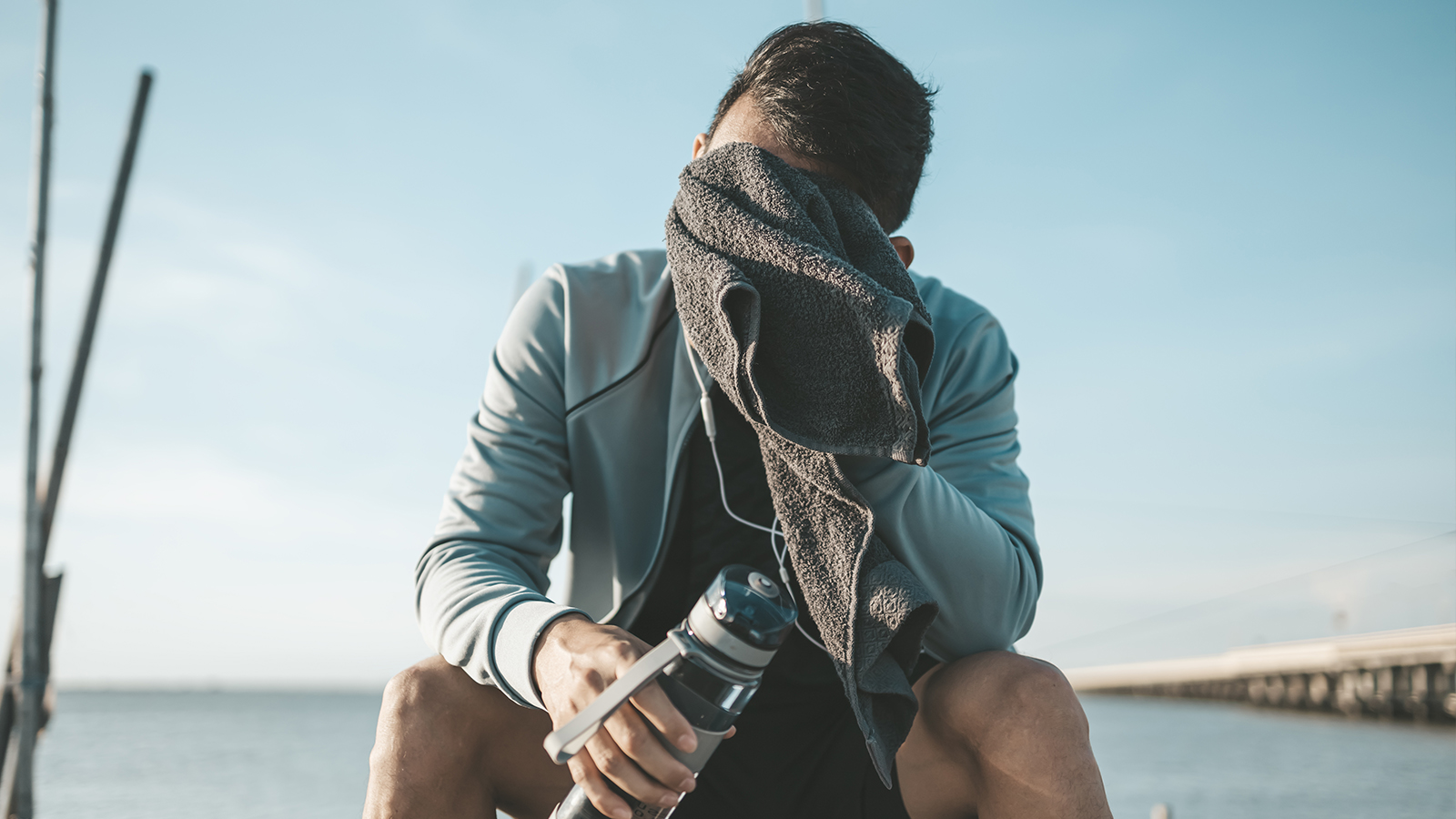
A few practical adjustments make a real difference for training outdoors:
For sun exposure specifically: avoid peak midday hours when possible, apply and reapply sunscreen, wear a hat and sunglasses, and don't let wind from running or cycling mask how hot you actually feel - it's a common reason people underestimate their fluid needs. Check the temperature, humidity and UV index before heading out.
This isn't medical guidance, but the warning signs are worth knowing: if you experience dizziness, confusion, unusual nausea, marked weakness or trouble with coordination, stop immediately, get to a cool space, rehydrate, and seek medical help if symptoms don't quickly improve.
Recovery starts the moment your workout ends, and heat adds to your body's overall workload even when the training plan looks unchanged on paper. Replacing fluids is the obvious first step, but it's only one piece of the puzzle - sodium and other electrolytes need restoring too, especially after long or heavy-sweat sessions. Carbohydrates replenish the glycogen your muscles burned through, protein supports muscle repair, and quality sleep allows your body to fully adapt to the training stress you just put it through. Heat itself can disrupt sleep, which makes this last piece easy to overlook right when it matters most.
A short indoor gym session needs relatively modest recovery - normal hydration and a good meal usually cover it. A long outdoor run, ride or hike in the heat is a different story, with larger losses, more physical stress, and a longer recovery window that deserves real attention rather than an afterthought.
A few habits quietly undermine otherwise solid training: training at noon instead of cooler hours, wearing cotton instead of breathable fabrics, waiting until you're thirsty to drink, skipping recovery because "it was just a normal workout," and ignoring UV exposure on short outdoor sessions. Most are easy fixes once you're aware of them.
Everbuild Crea Fuel and Everbuild HydroLyte aren't designed to compete with each other - they're designed for different moments.
If creatine is already part of your daily routine, Crea Fuel offers a convenient ready-to-drink option that makes consistency easier. HydroLyte, on the other hand, is intended to support hydration and electrolyte intake during longer sessions, heavy sweating or training in hot weather.
Depending on your training, you may reach for one more often than the other or use both at different times to support different goals.
Successful summer training doesn't hinge on any single product. It comes down to sensible pacing, adequate fluids, electrolytes when conditions call for them, solid nutrition, enough sleep, and recovery that matches the demands you've placed on your body.
Summer shouldn't interrupt your progress. It should simply change the way you approach training. Hydrate consistently, respect the heat, recover well, and keep building toward your goals - one workout at a time.
Should I stop taking creatine during summer? No. Creatine is one of the most well-researched sports supplements, and evidence doesn't support stopping it in hot weather. Staying hydrated remains important, but that's true year-round.
When should I use electrolytes? During long sessions, hot or humid conditions, heavy sweating, endurance sports like running and cycling, mountain hikes, and days with multiple training sessions.
Can I train safely in very hot weather? Yes, with adjustments: train in cooler hours, reduce intensity as needed, stay on top of hydration, and watch how your body feels. Stop and seek help if you notice dizziness, confusion or unusual weakness.
Is it better to train in the morning or evening? Both avoid peak heat and sun well. The better choice usually comes down to personal schedule and how your body performs at that time of day.
If you’re curious about more sports and nutrition topics you can read the rest of our articles.