
Walk into any gym and you'll find two camps: those grinding away on the treadmill and those loading up the barbell. Ask both groups why they're doing what they're doing, and most will give you the same answer-to lose weight. But which approach is actually more effective? The truth, backed by science, is more nuanced than most people think.
In this article, we break down exactly how strength training and cardio each contribute to fat loss, what the research says, and how you can combine both for the best possible results.
Cardiovascular exercise-running, cycling, swimming, rowing-is a direct calorie-burning machine. During a cardio session, your body primarily uses stored glycogen and fat as fuel, and the more intense the effort, the more calories you burn in real time.
A 75 kg person running at a moderate pace for 45 minutes can burn anywhere from 400 to 600 calories. For someone looking to create a caloric deficit-the fundamental requirement for weight loss-this is a tangible contribution.
There's also the added benefit of improved cardiovascular health, better lung capacity, and enhanced mood thanks to an endorphin boost. Steady-state cardio is accessible, requires minimal equipment, and is easy to scale up or down based on fitness level.
However, there's a catch: the body adapts. Over time, as you become more efficient at running or cycling, you burn fewer calories for the same effort. That's why dedicated cardio-only practitioners often hit a plateau-and it's where strength training enters the picture.
Strength training burns fewer calories during a session compared to cardio-a 45-minute lifting workout might only torch 250–350 calories. But that's only half the story.
When you lift weights, you damage muscle tissue (in a controlled, beneficial way). Your body then goes to work repairing and rebuilding that muscle-a process that continues for 24 to 48 hours after your workout. This elevated post-exercise oxygen consumption, means your body keeps burning extra calories long after you've left the gym.
More importantly, building muscle increases your resting metabolic rate. Muscle tissue is metabolically active-meaning the more muscle you carry, the more calories your body burns at rest, every single day. Even while sitting on the couch.
This is a game-changer for long-term weight management. A person who builds 2–3 kg of lean muscle mass can increase their daily calorie expenditure by 50–100 calories at rest-adding up to thousands of extra calories burned per year without doing anything extra.
.jpg) What the Research Actually Says
What the Research Actually SaysStudies consistently show that while cardio produces greater short-term weight loss, strength training leads to better body composition over time-meaning more fat lost and more muscle preserved. This distinction matters enormously.
A landmark study found that participants who combined resistance training with cardio lost significantly more body fat and retained more lean muscle mass than those who did cardio alone-even when total calorie burn was equal.
Another important consideration is the concept of "skinny fat"-a condition where the number on the scale goes down, but body fat percentage remains high because muscle mass has also been lost. This is a common outcome for people who rely solely on cardio with severe caloric restriction.
No conversation about weight loss is complete without addressing nutrition. You simply cannot out-train a poor diet. Creating a sustainable caloric deficit through smart food choices is the foundation-exercise is the accelerator.
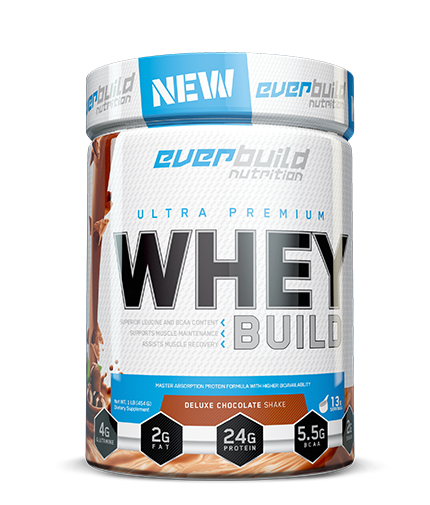
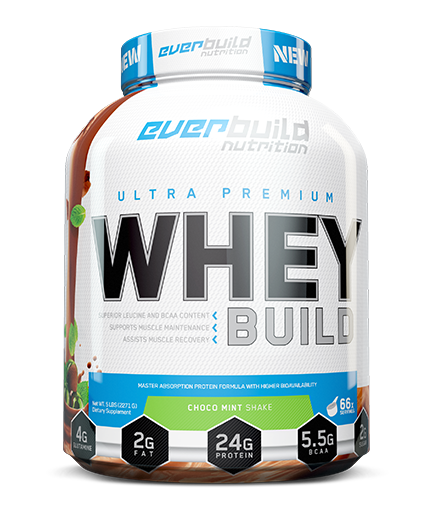
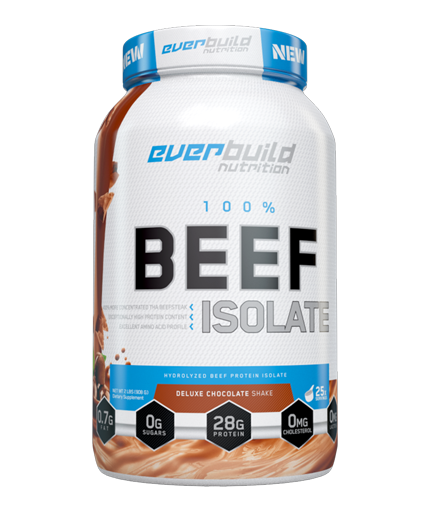
For strength training to be effective, adequate protein intake is non-negotiable. Protein provides the building blocks your muscles need to repair and grow. Aim for 1.6–2.2g of protein per kilogram of bodyweight per day. High-quality whey protein supplements like Everbuild Nutrition's Whey Protein Build 2.0 or ISO BUILD Protein Isolate can make hitting this target much easier-especially on busy training days.
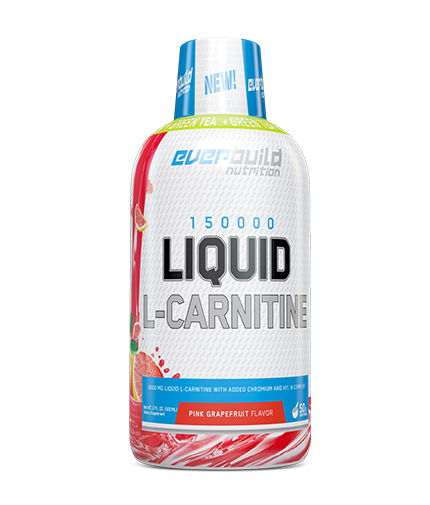
Additionally, L-carnitine supplementation has been shown to support fat metabolism by shuttling fatty acids into the mitochondria, where they are burned for energy-making it a popular addition to any fat loss protocol.
Purely for short-term calorie burn? Cardio wins. But for long-term fat loss, body composition improvement, and a faster metabolism? Strength training takes the edge.
The smartest approach, however, is to combine both. Here's why:
.jpg) A Practical Weekly Plan
A Practical Weekly PlanIf your primary goal is fat loss while preserving muscle, consider structuring your week like this:
Regardless of whether you lean more towards the weights or the track, the right nutritional support can dramatically improve your results:
The debate between strength training and cardio for weight loss is a false dichotomy. Both have powerful, complementary roles to play. The best programme is one you enjoy, one you can sustain, and one that includes both modalities working together.
Stop thinking of the gym as a place to burn off last night's dinner, and start thinking of it as a place to build a body that burns more calories around the clock. Lift heavy, move often, eat smart-and let the results speak for themselves.
If you’re curious about more sports and nutrition topics you can read the rest of our articles.