
Intermittent fasting has moved from a niche dieting method to a mainstream approach used by athletes, casual gym-goers, and people simply trying to improve their health. At the same time, one of the most common goals in fitness remains unchanged: building and maintaining muscle. This naturally leads to a concern that many people have but few fully understand - whether restricting your eating window might be working against your progress in the gym.
The short answer is no, intermittent fasting does not automatically kill your gains. The longer and more useful answer is that it depends entirely on how it is implemented. In some cases, it can coexist with muscle growth. In others, it quietly limits it.
What Intermittent Fasting Actually Does
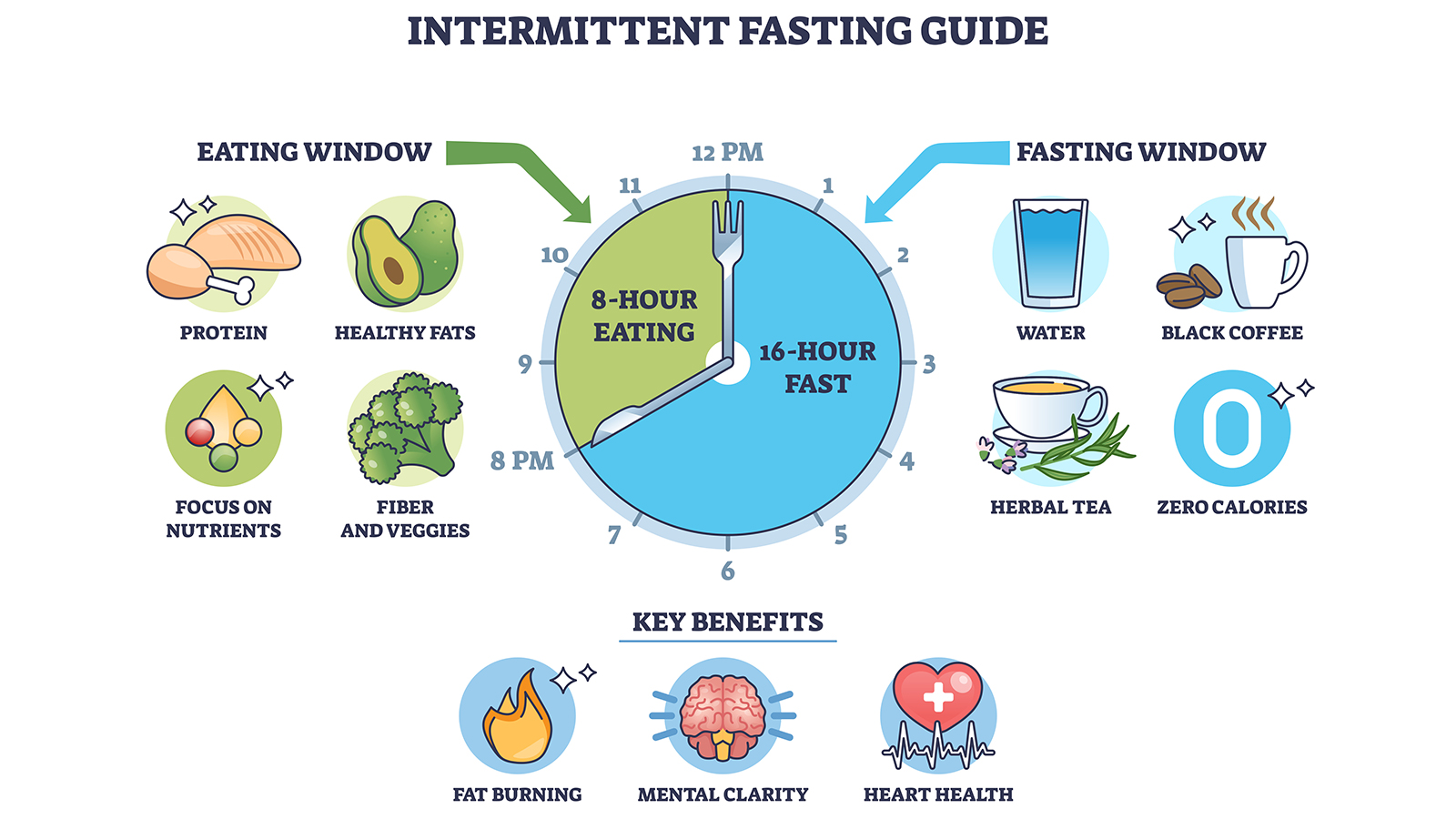
Intermittent fasting is often misunderstood as a specific diet, when in reality it is simply a way of structuring when you eat. The most popular version is the 16:8 method, where food intake is restricted to an eight-hour window and avoided for the remaining sixteen hours of the day.
This structure does not inherently change the types of food you eat. Instead, it alters the timing of your meals, which can influence appetite, hormone levels, and daily calorie intake. For many people, this naturally leads to eating less, which is why intermittent fasting is frequently associated with fat loss.
However, muscle growth operates under a different set of requirements, and this is where the tension begins.
The Fundamentals of Muscle Growth
Muscle growth is driven by a few key variables that remain consistent regardless of diet strategy. The body needs:
- enough total energy to support growth;
Recovery also plays a crucial role, as muscles do not grow during workouts but in the period after them.
When these conditions are met, the body is capable of building muscle. When they are not, progress slows or stops altogether. Intermittent fasting does not change these rules; it simply makes some of them easier or harder to achieve depending on the individual.
Where Intermittent Fasting Can Become a Problem
One of the most common issues with intermittent fasting in a muscle-building context is underconsumption of calories. When the eating window is shortened, many people struggle to consume enough food to maintain a calorie surplus. This is especially true for individuals with naturally lower appetites or those trying to gain significant muscle mass. Without enough total energy, the body simply does not have the resources it needs to grow.
Another factor is protein distribution. Muscle protein synthesis, the process through which the body builds new muscle tissue, is stimulated by protein intake and tends to respond best when protein is consumed multiple times throughout the day. Compressing all meals into a short window often reduces the number of opportunities to trigger this process. While total protein intake still matters most, the distribution of that protein can influence how effectively the body uses it.
Training performance is another area where intermittent fasting can have an indirect impact.
If workouts take place during the fasting period, some individuals experience reduced energy, lower strength output, and decreased endurance. While not everyone is affected in the same way, even a small drop in performance can accumulate over time and lead to slower progress. Training quality remains one of the most important drivers of muscle growth, so anything that consistently reduces it deserves attention.
Recovery can also be influenced by timing. If there is a long delay between training and nutrient intake, the body may not replenish glycogen stores or initiate muscle repair as efficiently. Over time, this can affect both performance and adaptation.
When Intermittent Fasting Works Well
Despite these potential drawbacks, intermittent fasting is not inherently incompatible with muscle growth. Many individuals successfully maintain or even build muscle while following this approach. The key difference is execution.
When calorie intake is sufficient, protein targets are consistently met, and training is structured in a way that supports performance, intermittent fasting becomes just another dietary framework rather than a limitation. Some people even find that it:
- simplifies their routine;Fat Loss Versus Muscle Gain
The effectiveness of intermittent fasting depends heavily on the goal. For fat loss, it can be a practical and sustainable method. By limiting the eating window, many people find it easier to control calorie intake without consciously restricting portions.
For muscle gain, the situation is different. Building muscle requires not just adequate nutrition but often a surplus of calories. Consuming this surplus within a limited time frame can be challenging, especially for those who already struggle to eat enough. This does not make intermittent fasting ineffective, but it does make it less convenient compared to more traditional eating patterns.

What Research Suggests
Current research generally supports the idea that total daily intake matters more than meal timing. Studies comparing intermittent fasting to more conventional eating schedules often show similar results in terms of muscle retention, provided that calories and protein are matched.
However, when it comes to maximizing muscle growth, the evidence tends to favor approaches that make it easier to consume sufficient nutrients and maintain high training performance. Intermittent fasting does not provide a unique advantage in this regard, and in some cases, it may introduce unnecessary limitations.
Practical Application
For those who prefer intermittent fasting but still want to build muscle, the approach needs to be deliberate. Training is best placed close to or within the eating window so that the body has access to nutrients before and after the workout. Meals within the window should be structured to include adequate protein and sufficient overall calories, rather than relying on instinctive eating patterns.
Flexibility also matters. There is no requirement to follow intermittent fasting every day without exception. Adjusting the schedule around training demands or increasing the eating window when necessary can make the approach more sustainable and effective.

Final Perspective
Intermittent fasting is not inherently harmful to muscle growth, but it is not optimal in every situation. It is a tool that works well under certain conditions and less well under others. The determining factors are not the fasting periods themselves but whether the fundamental requirements for muscle growth are still being met.
If calorie intake is too low, if protein is insufficient, or if training performance declines, progress will suffer. If those variables are controlled, intermittent fasting can coexist with muscle development, although it may not be the most efficient path.
In the end, results are driven by consistency and execution rather than any single dietary strategy. The most effective approach is the one that allows you to train hard, recover properly, and meet your nutritional needs on a daily basis.